
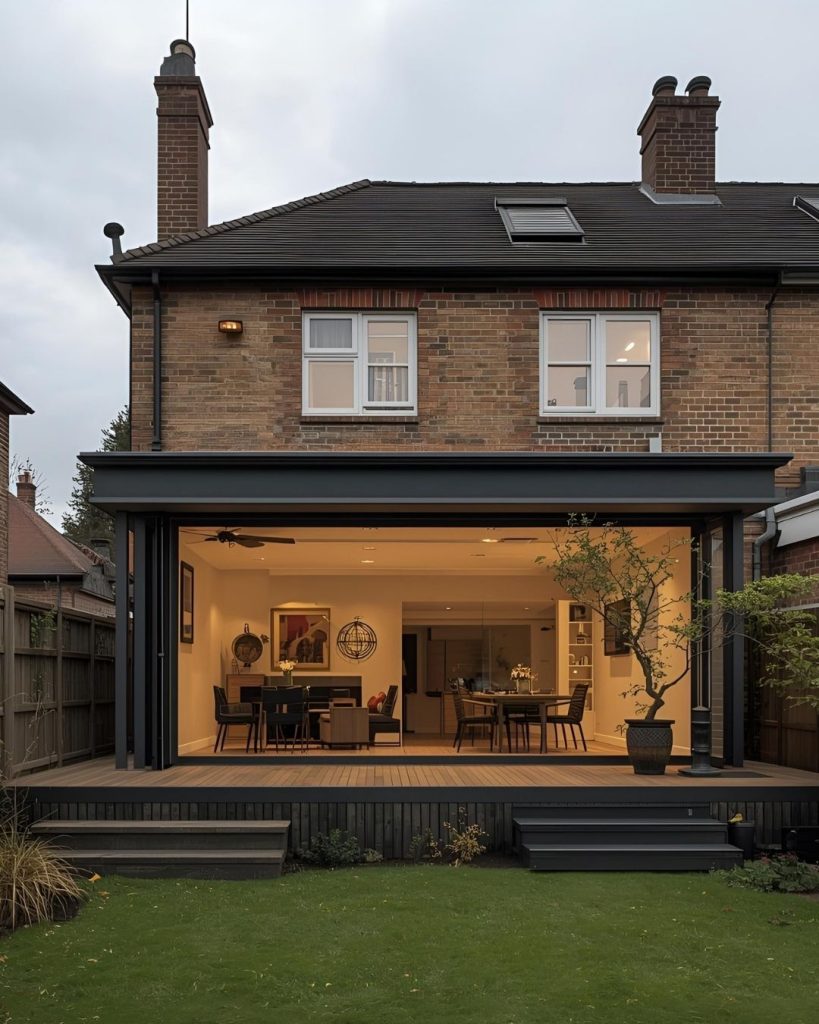
How Long Does a House Extension Take? A Guide for Slough Homeowners
Planning a house extension involves many considerations—cost, design, builders, planning permission—but one question consistently troubles homeowners more than most: how long will this actually take?
Understanding realistic timescales helps you plan around disruption, coordinate temporary living arrangements if needed, and set expectations that won’t lead to frustration. Extension projects involve multiple phases, each with its own duration and dependencies. Rushing any phase typically causes problems later, while realistic scheduling delivers better outcomes for everyone involved.
This guide explains what Slough homeowners can expect regarding extension timescales in 2026, covering everything from initial design through to moving into your new space.
The Complete Extension Timeline
Before examining individual phases, here’s what typical extension projects look like overall:
Single storey rear extension: 4-6 months total (design to completion) Double storey extension: 5-8 months total Wraparound extension: 5-7 months total Kitchen extension with fitting: 5-7 months total
These timescales assume reasonably straightforward projects without major complications. Complex sites, planning challenges, or unusual requirements extend durations accordingly. Properties across Langley, Cippenham, and Burnham typically see timescales within these ranges for standard domestic extensions.
Let’s break down each phase to understand where time goes throughout your project.
Phase 1: Design and Drawings (2-6 weeks)
Every extension begins with design—translating your requirements into drawings that builders can price and building control can approve.
Simple extensions: 2-3 weeks For straightforward rear extensions without structural complexity, experienced designers produce drawings relatively quickly. Basic plans showing dimensions, construction details, and specifications typically complete within two to three weeks.
Complex extensions: 4-6 weeks Double storey builds, wraparound configurations, or extensions involving significant structural alterations require more detailed design work. Structural engineer involvement adds time for calculations and coordination. Listed buildings or properties in conservation areas need additional design sensitivity extending timescales further.
What affects design duration:
- Your decision-making speed regarding layout and specification
- Designer availability and workload
- Structural complexity requiring engineering input
- Conservation or heritage considerations
- Coordination with other professionals
Properties near Slough town centre or within conservation areas around Stoke Poges and Farnham Royal may require additional design time addressing heritage sensitivities throughout.
Phase 2: Planning Permission (0-12 weeks)
Planning requirements significantly affect overall timescales—sometimes adding months, sometimes adding nothing at all.
Permitted development (0 weeks added): Many single storey extensions fall within permitted development rights, meaning no planning application is required. You can proceed directly to building regulations once design completes. Current rules typically allow three metre projections from attached houses or four metres from detached properties without formal planning permission.
Prior approval (4-6 weeks): Larger extensions up to six or eight metres may proceed through prior approval notification rather than full planning application. Slough Borough Council has 42 days to respond—if they don’t, approval is assumed. This route suits extensions exceeding standard permitted development but not requiring full planning scrutiny.
Full planning application (8-12 weeks): Double storey extensions, properties in conservation areas, or projects exceeding permitted development limits require full planning applications. Slough Borough Council targets eight-week determination for householder applications, though complex cases take longer. Allow ten to twelve weeks realistically, accounting for potential requests for additional information.
What affects planning duration:
- Application type required for your project
- Council workload and processing times
- Completeness of your application
- Neighbour objections requiring consideration
- Requests for amendments or additional details
We assess your property’s planning status during initial consultation, advising which route applies and handling all submissions to Slough Borough Council if required.
Phase 3: Building Regulations Approval (2-4 weeks)
All extensions require building regulations approval regardless of planning permission status. This ensures your extension meets structural, fire safety, energy efficiency, and other technical standards.
Full plans application: 2-4 weeks Submitting detailed plans for approval before construction begins provides certainty—you know the design is approved before builders start. Most applications receive approval within two to four weeks, though complex structures may take longer.
Building notice alternative: Immediate start possible Building notice allows construction to begin without prior plan approval. Instead, building control inspects work at key stages, approving as construction progresses. This saves upfront time but risks discovering compliance issues mid-build. We generally recommend full plans approval for extensions to avoid complications.
Properties across Slough, Langley, and Cippenham typically see building regulations approval within three weeks for standard extension applications.
Phase 4: Builder Availability and Scheduling (2-8 weeks)
Once approvals are secured, you need builders available to start work. Good builders stay busy—expecting immediate availability often means compromising on quality or paying premium rates.
Typical wait times:
- Quiet periods (January-March): 2-4 weeks
- Normal periods: 4-6 weeks
- Busy periods (spring-summer): 6-8 weeks or longer
Planning ahead helps: Engaging builders during design phases allows scheduling your project before approvals complete. By the time planning and building regulations are sorted, your start date approaches without additional waiting.
What affects builder availability:
- Season and market demand
- Project size and duration
- Builder’s existing commitments
- Your flexibility on start dates
We recommend contacting builders once design work begins, allowing scheduling conversations to progress alongside approval processes.
Phase 5: Construction (8-16 weeks)
Construction duration varies significantly based on extension type, size, and complexity.
Single Storey Extension: 8-12 weeks
Weeks 1-2: Groundwork and foundations Excavation, drainage connections, concrete foundations poured and cured. Weather dependent—heavy rain or frost delays this phase.
Weeks 3-4: Substructure and floor Walls built to damp proof course level, floor structure installed, services roughed in beneath floor level.
Weeks 5-6: Superstructure Walls completed to roof level, window and door openings formed, structural steels installed where required.
Weeks 7-8: Roof and weathertight Roof structure completed, covering installed, windows and doors fitted. Extension becomes weathertight, allowing internal work regardless of weather.
Weeks 9-10: First fix Electrical wiring, plumbing pipework, and heating installations completed within walls and floors before plastering covers everything.
Weeks 11-12: Second fix and finishing Plastering, skirting, architraves, electrical fittings, bathroom or kitchen installation, decoration, and snagging.
Double Storey Extension: 12-16 weeks
Double storey builds follow similar phases but each takes longer due to increased scale:
Groundwork and foundations: 2-3 weeks (larger foundations required) Substructure: 2 weeks Superstructure: 3-4 weeks (two floors of walls plus intermediate floor) Roof and weathertight: 2 weeks First fix: 2-3 weeks (more rooms, more services) Second fix and finishing: 3-4 weeks
Kitchen Extension with Fitting: 10-14 weeks
Kitchen extensions include standard construction plus kitchen installation:
Extension construction: 8-10 weeks Kitchen installation: 2-4 weeks (depending on kitchen complexity)
We coordinate kitchen delivery and fitting within the overall programme, ensuring units arrive when spaces are ready to receive them.
What Affects Construction Duration?
Several factors extend or compress construction timescales beyond standard expectations.
Weather
Groundwork and external construction depend on reasonable weather. Extended rain prevents excavation and foundation work. Frost stops bricklaying and concrete pouring. Prolonged bad weather adds days or weeks to projects—winter extensions typically take longer than summer equivalents.
Ground Conditions
Slough sits on varied geology. Properties on clay soils may require deeper foundations taking longer to excavate and pour. High water tables need dewatering. Poor ground conditions require engineered solutions adding time and complexity.
Structural Complexity
Extensions involving significant steelwork, complex roof structures, or connection challenges to existing buildings take longer than straightforward builds. Removing internal walls, forming large openings, and integrating old with new adds time throughout construction.
Access Constraints
Restricted site access—narrow side passages, limited storage space, difficult vehicle approach—slows material delivery and waste removal. What takes one day with good access may take two or three with poor access.
Discovery of Problems
Older properties sometimes reveal surprises once work begins—inadequate existing foundations, hidden drainage, structural defects requiring attention. These discoveries add time but must be addressed properly.
Properties across Slough’s older areas including Chalvey and central Slough more frequently encounter discovery issues than newer developments in Langley and Cippenham.
Minimising Extension Duration
While some factors remain outside your control, several strategies help keep projects on schedule:
Make decisions promptly: Delays waiting for your choices regarding tiles, kitchens, sanitaryware, and finishes extend projects unnecessarily. Decide early and stick to decisions.
Ensure good access: Clear space for material storage and delivery. Remove obstacles before construction begins.
Communicate consistently: Regular contact with your builder identifies emerging issues before they cause delays. Weekly site meetings keep everyone aligned.
Avoid changes mid-build: Alterations once construction begins cause disproportionate delays. Finalise design before starting.
Plan around weather: Starting groundwork in late autumn risks weather delays. Spring starts typically progress more smoothly.
Choose experienced builders: Established local builders manage projects efficiently, anticipate problems, and coordinate trades effectively. Inexperience causes delays through poor scheduling and avoidable mistakes.
Living Through Your Extension
Understanding construction phases helps you plan around disruption:
External phases (weeks 1-8): Groundwork through weathertight causes external disruption—noise, deliveries, site traffic—but limited internal impact. Daily life continues relatively normally.
Breakthrough and connection (week 8-9): When new extension connects to existing house, dust and disruption increase significantly. This phase is typically brief but intense.
Internal finishing (weeks 9-12): Trades working inside require access, creating some disruption, but the worst has passed.
Most families remain in their homes throughout extension construction. Temporary kitchen arrangements may be needed during kitchen extension projects—we advise on practical solutions maintaining family routines.
Next Steps for Slough Homeowners
Understanding realistic timescales helps you plan effectively and set appropriate expectations. Starting conversations early—with designers, planners, and builders—keeps your project moving efficiently through each phase.
We build house extensions throughout Slough and surrounding areas including Langley, Cippenham, Burnham, Farnham Royal, Stoke Poges, Colnbrook, Iver, Richings Park, and surrounding Berkshire and Buckinghamshire villages. We provide realistic timescales during quotation, then keep you informed throughout construction with regular progress updates.
Contact us to discuss your extension project and understand what timescales apply to your specific requirements.
Planning a house extension in Slough? Contact us for a free consultation and realistic timeline for your project.